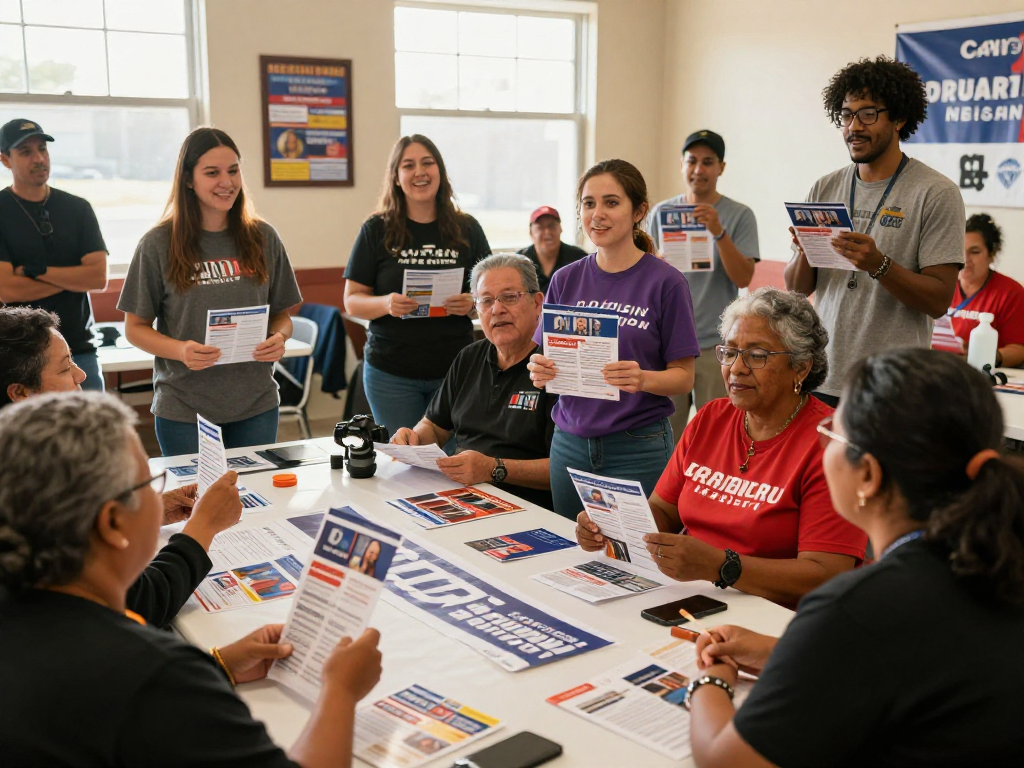
Understanding Direct Mail for Candidates
In the rapidly evolving landscape of political campaigns, direct mail remains a cornerstone of effective voter outreach. With the complexities of today's electoral processes, candidates must utilize every tool at their disposal to ensure their message resonates with potential voters. This is where direct mail for candidates plays an integral role. By leveraging targeted data and strategic messaging, campaigns can create impactful materials that engage voters and drive them to action.
What is Direct Mail in Political Campaigns?
Direct mail in political campaigns refers to the process of sending physical materials, such as flyers, brochures, and postcards, directly to voters' mailboxes. This traditional form of communication has evolved over the years, adapting to changes in technology and voter engagement strategies. However, its effectiveness lies in its ability to provide personalized, tangible messages that can cut through the noise of digital advertisements.
The Importance of Targeted Messaging
One of the key advantages of direct mail is the ability to target specific demographics. Unlike generic mass mailings, targeted direct mail campaigns focus on reaching voters with tailored messages that resonate with their interests and concerns. By employing sophisticated data analytics and profiling, campaigns can effectively segment their audience and craft messages that are relevant and persuasive.
How Direct Mail Fits into Your Overall Strategy
To maximize the effectiveness of direct mail, it should be integrated into a broader campaign strategy that includes digital outreach, social media engagement, and event marketing. Combining these channels allows campaigns to amplify their message and reach voters at multiple touchpoints. Direct mail serves as a powerful reminder of a candidate’s presence, reinforcing online efforts and creating a cohesive narrative.
Crafting Effective Direct Mail Pieces
Developing compelling direct mail pieces is essential for capturing voter attention and inspiring action. The effectiveness of direct mail hinges on several key components that should be incorporated into every campaign's strategy.
Components of a Winning Direct Mail Campaign
- Clear Targeting: Understanding the audience is fundamental. Campaigns must leverage voter data to segment their audience effectively.
- Engaging Copy: Messages must be emotionally resonant and straightforward, providing a clear understanding of the candidate's platform and unique value.
- Visually Appealing Design: Eye-catching graphics and layout can significantly enhance the impact of direct mail, making it more likely to be read and retained.
- Strong Calls to Action: Every direct mail piece should conclude with a compelling call to action, encouraging voters to engage further—whether that’s visiting a website, attending an event, or voting early.
Designing Eye-Catching Flyers and Brochures
The design of direct mail pieces can make or break a campaign's outreach efforts. Flyers and brochures should utilize bold colors, readable fonts, and compelling images that resonate with voters. Infographics or charts can effectively communicate key points in a visually appealing manner, making complex data more accessible.
Clear Calls to Action: Engaging Your Audience
Every direct mail campaign must include a clear call to action (CTA). Whether it's inviting voters to a town hall meeting, encouraging them to visit a campaign website, or prompting them to register to vote, the CTA should be direct and compelling. This creates a sense of urgency and drives engagement, transforming passive readers into active participants in the campaign.
Leveraging Data for Voter Targeting
Data is the backbone of any effective direct mail campaign. Campaigns that harness Voter Data can refine their strategies, ensuring they reach the right individuals with the right messages.
Understanding Your Voter Data
Successful campaigns rely on comprehensive and accurate voter data. Understanding demographic information, voting history, and localized issues allows campaigns to create highly targeted messages. This data not only informs targeting but also guides the messaging strategy to address specific concerns and interests within the voter base.
How to Segment Your Audience for Maximum Impact
Segmentation allows campaigns to tailor their messaging to different voter groups based on various characteristics, such as age, location, and previous voting behavior. For instance, first-time voters may require different outreach compared to seasoned electorate members. By customizing messages to fit the unique traits of each segment, campaigns can significantly enhance the relevance and effectiveness of their direct mail efforts.
Using Analytics to Optimize Direct Mail Efforts
Analytics play a crucial role in measuring the success of direct mail campaigns. Campaigns should track metrics such as response rates, engagement levels, and conversion rates. Utilizing A/B testing on different designs or messages can provide insights into what resonates best with voters, allowing for continuous optimization and improvement of future campaigns.
Integrating Direct Mail with Digital Strategies
In today's digital-first world, integrating direct mail with online strategies enhances the effectiveness of both approaches. A coherent strategy that marries the tactile benefits of direct mail with the broad reach of digital is essential for success.
Connecting Direct Mail to Online Campaigns
Direct mail pieces can direct voters to online resources, such as campaign websites or social media platforms. Using QR codes can also bridge the gap between physical and digital content, allowing voters to engage with more dynamic content instantly. This creates a seamless experience, encouraging deeper engagement.
Utilizing Social Media Alongside Direct Mail
Social media plays a pivotal role in modern campaigning. By coordinating direct mail efforts with social media messaging, campaigns can create a unified voice. Sharing direct mail content on social platforms can drive traffic to the website and generate discussions around key issues, amplifying the campaign's reach.
Tracking Campaign Performance Across Platforms
Measurement is vital for understanding overall campaign performance. Campaigns should adopt tools that allow them to track engagement across both direct mail and digital platforms. This holistic view enables the identification of which strategies are most effective and which areas require adjustment.
Future Trends in Direct Mail for Candidates
The landscape of political campaigning is continually changing. With emerging technologies and evolving voter preferences, it's crucial for candidates to stay ahead of trends in direct mail strategies.
Adapting to Changes in Voter Engagement
Voter engagement is becoming increasingly dynamic, with younger voters expecting interactive and digital experiences. Direct mail must evolve to meet these expectations by incorporating interactive elements, such as scratch-off coupons or polls that encourage voter feedback and participation.
Emerging Technologies in Direct Mail Campaigns
New printing technologies are making it possible to personalize direct mail pieces on a larger scale. Innovations such as variable data printing allow campaigns to customize every piece to an individual voter, improving relevance and response rates. Additionally, the use of augmented reality in direct mail pieces can create engaging experiences that resonate with tech-savvy voters.
Predictions for Direct Mail Effectiveness in 2026
Looking toward 2026, direct mail is predicted to remain a vital component of political campaigns. As digital misinformation becomes more prevalent, voters will likely seek reliable, tangible sources of information. Direct mail, with its inherent credibility, can serve as a trusted resource amidst the noise of digital content.
Why Direct Mail Will Remain Vital for Candidates?
Despite increasing digital trends, direct mail continues to offer unique advantages that digital media cannot replicate. Whether it's the physical presence of a mailer or the perception of personal touch, direct mail solidifies a candidate's message in a way that resonates deeply with voters. As campaigns move toward 2026, an emphasis on integrated strategies that include both digital and direct mail will be essential for garnering voter support and securing electoral victories.