Understanding PPF Winter Road Salt Protection
When it comes to maintaining the appearance and integrity of your vehicle throughout the harsh winter months, understanding PPF winter road salt protection is crucial. As the roads are treated with road salt to manage icy conditions, the risk to your vehicle’s paint and overall finish increases. Investing in Paint Protection Film (PPF) can save you from costly repairs and maintain the resale value of your vehicle.
What is PPF and Why is it Essential?
Paint Protection Film (PPF) is a thermoplastic urethane film that is applied to the exterior surfaces of a vehicle to protect it from damage. This includes resistance to scratches, chips, and stains. The essence of PPF lies in its durable composition, providing a barrier against environmental elements, including UV rays, dirt, and, particularly, harsh winter road treatments like salt.
In winter, vehicles face unique challenges as salt and grime accumulate on the surface, leading to corrosion and paint degradation. The installation of PPF is essential for those who want to prolong the life of their vehicle, ensuring that it maintains not just its aesthetic appeal but also its functionality.
How Road Salt Affects Your Vehicle’s Paint
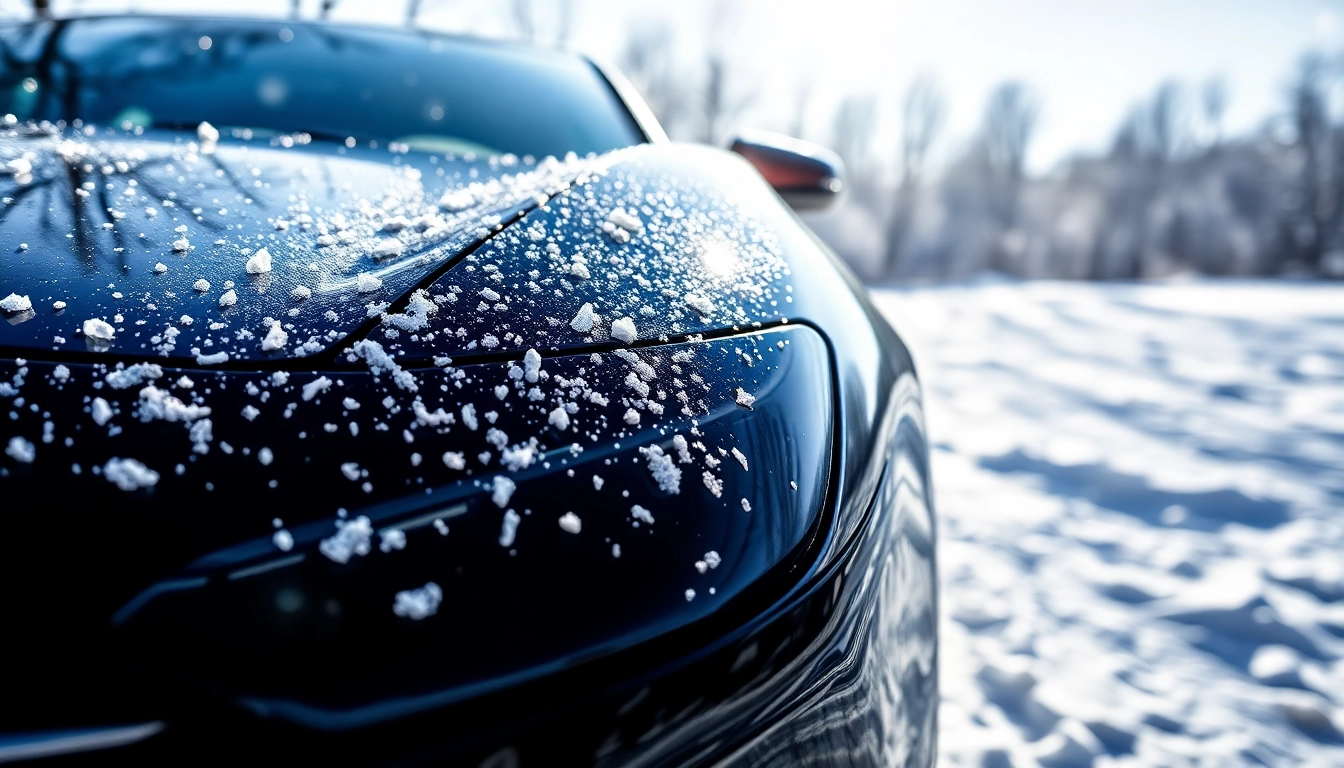
Road salt is a necessary evil in colder climates, helping prevent ice formation but bringing detrimental effects to vehicles. When salt is splashed onto your car’s surface, it can lead to paint erosion, rust formation, and overall appearance deterioration. The chloride in salt can penetrate small imperfections in the paint and eventually lead to more severe damage, including rusting beneath the surface layer.
Understanding the specific risks associated with road salt can help you take proactive measures to protect your vehicle. Frequent washing can remove salt, but applying PPF offers a more permanent shield against these harsh chemicals, significantly diminishing their harmful impact over time.
Key Benefits of PPF in Winter Conditions
Using PPF effectively protects your vehicle from the onslaught of winter conditions. Here are the key benefits:
- Scratch Resistance: PPF is engineered to resist minor scrapes and scratches, making it an ideal shield against road debris and winter wear.
- Corrosion Prevention: By acting as a barrier, PPF minimizes the risk of salt-induced corrosion, preserving your car’s paint and body integrity.
- Easy Maintenance: PPF is designed to repel dirt and grime, making it easier to clean your vehicle during and after winter storms.
- Self-Healing Properties: Many premium PPFs have self-healing properties, which means they can recover from minor scratches when exposed to heat.
- Aesthetically Pleasing: High-quality PPF is virtually invisible, allowing the natural color and finish of the vehicle to shine through with no noticeable alteration to its appearance.
Installation Process of PPF for Optimal Protection
The effectiveness of PPF greatly depends on the installation process. A correct application not only enhances protection but also ensures the longevity of the film. Here’s how you can get the best results from your PPF installation.
Preparing Your Vehicle for PPF Application
Before applying PPF, thorough preparation is essential. Follow these steps:
- Thorough Cleaning: Your vehicle should be washed and dried completely to ensure no dust, debris, or water will hinder the adhesion of the film.
- Paint Inspection: Assess the vehicle’s paint for existing scratches or blemishes. These imperfections need to be dealt with as PPF will seal them in.
- Environment Control: Ensure the installation area is clean, dry, and at a controlled temperature to facilitate better adhesion and minimize dust contamination.
Step-by-Step Installation Guide
The installation of PPF can be broken down into several critical steps:
- Cut the Film: Measure the areas to receive PPF, and carefully cut the film to the appropriate dimensions, leaving extra material for adjustments.
- Wet Application: Use a slip solution to apply the film to the vehicle. This allows repositioning during the installation process and prevents bubbles.
- Placing the Film: Begin with larger sections, aligning the edges with the vehicle’s contours. Smooth out any bubbles using a soft squeegee.
- Edge Seal: Once the film is positioned correctly, trim the edges for a clean finish, sealing them with a heat gun to achieve optimal adhesion.
- Final Inspection: Thoroughly inspect the installation for imperfections or bubbles, which can be corrected before the film fully adheres.
Common Mistakes to Avoid During Installation
To ensure a perfect installation, avoid these common mistakes:
- Inadequate Cleaning: Failing to clean the surface properly can lead to air bubbles and diminished adhesion.
- Skipping the Temperature Checks: Applying PPF in extreme temperatures can affect the film’s adhesion and flexibility.
- Inconsistent Pressure: Applying uneven pressure while smoothing the film can create wrinkles or bubbles, reducing its effectiveness.
- Ignoring Cure Time: Rushing to wash the vehicle post-PPF application can damage the film; always allow adequate cure time.
Maintenance Tips for PPF in Winter
Maintaining your PPF in winter conditions is straightforward if you follow specific care guidelines. Here are some essential tips:
Washing and Care to Preserve the Film
Regular cleaning is crucial to prevent the accumulation of road grime and salt. Here’s how to do it effectively:
- Use pH-Neutral Soaps: Always wash your vehicle with a pH-neutral soap to keep the film intact.
- Gentle Washing Techniques: Use a gentle sponge or microfiber cloth to avoid scratching the film.
- Dry Thoroughly: Wipe your vehicle dry with a microfiber towel to prevent water spots that can affect the film’s appearance.
Inspecting for Damage After Winter Conditions
Regular inspections after severe weather can help you catch any damage early. Look for:
- Bubbles or lifting edges in the film.
- Any scratches or abrasions on the surface.
Addressing these issues promptly can often save you from needing a full replacement.
Reapplication vs. Repairing PPF
Depending on the extent of the damage, you’ll need to decide whether to repair or completely reapply PPF:
- Small Areas: Minor scratches can typically be repaired by using heat to encourage the film to self-heal.
- Large Damage: If the film has tears or extensive damage, it may be more cost-effective to remove the damaged piece and replace it with a new section.
Cost Analysis of PPF Winter Road Salt Protection
Investing in PPF winter road salt protection is a fiscal decision that can save money in the long run. Understanding the costs involved is essential for making an informed decision.
Initial Investment vs. Long-Term Savings
The upfront cost associated with PPF might seem steep, typically ranging from a few hundred to several thousand dollars, depending on the coverage area and quality of the film. However, when you consider potential paint repair costs—as well as the vehicle depreciation due to paint damage—the investment can often be reconciled with long-term savings.
Factors Influencing PPF Cost
The cost of PPF installation varies based on several factors:
- Film Quality: Higher-grade films provide better protection but usually come at a higher price.
- Coverage Area: Full coverage of the vehicle is more expensive compared to partial applications.
- Professional Installation: The cost will typically increase if you enlist professional help for installation.
Comparing PPF with Other Protection Methods
While there are various methods available for vehicle protection, such as ceramic coatings or traditional waxing, PPF stands out for its durability and comprehensive protective features. Unlike wax, which must be reapplied regularly, PPF offers long-lasting protection against scratches and chemical damage.
Frequently Asked Questions about PPF Winter Road Salt Protection
How long does PPF last in winter conditions?
PPF generally lasts 5-10 years, offering reliable protection against elements, including road salt.
Can I apply PPF myself or should I hire a professional?
While DIY is possible, hiring a professional ensures a flawless installation and maximum protection.
Is PPF scratch-resistant?
Yes, PPF is designed to resist minor scratches, shielding the paint from road debris and winter wear.
How does PPF affect vehicle appearance?
PPF is virtually invisible, allowing the vehicle’s original color and shine to show through.
Can I wax my car with PPF applied?
Yes, you can wax PPF, but ensure the products used are specifically designed for vinyl films.