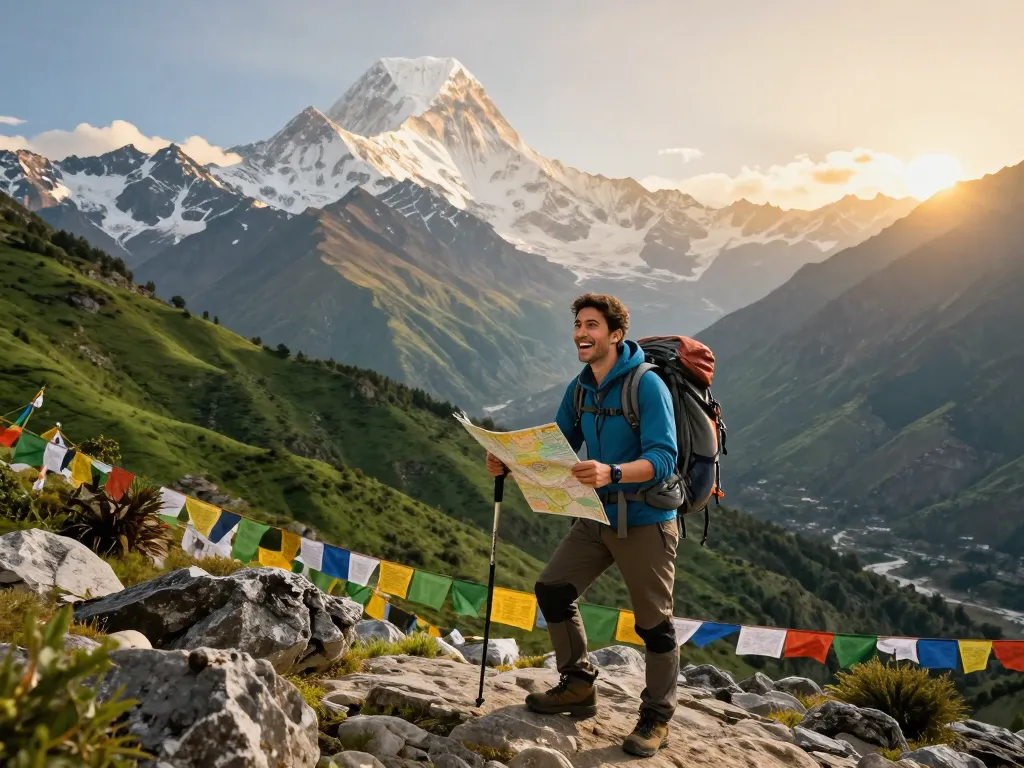
Overview of Annapurna Circuit Trekking
The Annapurna Circuit Trek is one of the most iconic and adventurous trekking routes in the world, offering trekkers a unique opportunity to immerse themselves in the breathtaking landscapes and diverse cultures of Nepal. Spanning approximately 160 to 230 kilometers, depending on the chosen route, this trek allows adventurers to ascend from lush subtropical valleys to towering, snow-capped peaks. With an elevation gain that peaks at Thorong La Pass, standing at 5,416 meters, trekkers experience the dramatic transition from vibrant green hills to the stark beauty of high-altitude desert. As you contemplate taking part in the annapurna circuit trekking, you’ll find that this journey is not just a physical challenge but also a rich cultural experience that encapsulates the spirit of the Himalayas.
What is the Annapurna Circuit Trek?
The Annapurna Circuit Trek is a comprehensive trekking journey that encircles the Annapurna Mountain Range in central Nepal. The trek was first opened to foreign trekkers in 1977 and has since become one of the premier trekking destinations globally. The route begins in Besisahar and traverses through various villages, lush forests, arid landscapes, and ascends to the iconic Thorong La Pass. The circuit typically takes around 12 to 20 days to complete, depending on the chosen itinerary and pacing of the trek.
Historical Significance and Route Overview
Historically, the Annapurna Circuit has been a vital route for local traders crossing the Himalayas. The trek provides not just stunning vistas, but also insight into the diverse ethnic groups inhabiting the region, such as Gurungs, Thakalis, and Manangis. As trekkers ascend, they encounter ancient monasteries, terraced fields, and a rich tapestry of cultures, providing a glimpse into the lives of those who call this remote region home. The route itself showcases a wide variety of ecosystems—from tropical to alpine, offering a gradual progression of landscapes and climates that enhance the trekking experience.
Key Highlights and Attractions Along the Trek
- Thorong La Pass: The highest point on the trek, offering panoramic views of the Annapurna and Dhaulagiri ranges.
- Manang Valley: A beautiful and tranquil area perfect for acclimatization, where trekkers can explore local culture.
- Muktinath Temple: A sacred site for both Hindus and Buddhists, known for its eternal flame and sacred waters.
- Ghorepani and Poon Hill: Famous for breathtaking sunrise views over the Annapurna range.
- Kali Gandaki Gorge: The world’s deepest gorge, flanked by the towering peaks of Annapurna and Dhaulagiri.
Preparation for the Trek
Proper preparation is key to successfully completing the Annapurna Circuit Trek. This involves physical conditioning, acquiring necessary gear, and understanding the logistical aspects of the trek.
Necessary Gear and Packing List for Annapurna Circuit Trekking
When preparing for the Annapurna Circuit, having the right gear is crucial. Essential items include sturdy hiking boots, warm layers, rain gear, trekking poles, and a nutrient-rich snack supply. A detailed packing list should feature:
- Sturdy trekking boots with good ankle support
- Warm clothing for layering (thermal wear, fleece jacket)
- Waterproof jacket and pants
- Sleeping bag rated for cold temperatures (ideally -15°C or lower)
- Hydration system (water bottles or hydration packs)
Physical Fitness Requirements and Training Advice
While the Annapurna Circuit is accessible to trekkers of varying skill levels, a baseline level of fitness is recommended. Engaging in regular cardiovascular exercise, strength training, and specific trekking practice can significantly enhance your trekking capability. Aim for at least three to four months of training that includes:
- Regular aerobic activities (running, cycling)
- Hiking with a weighted backpack
- Stair climbing or incline walking to simulate trek challenges
Essential Permits and Fees for Nepal Trekking
The Annapurna Circuit requires trekkers to obtain two permits: the Trekkers’ Information Management System (TIMS) card and the Annapurna Conservation Area Permit (ACAP). Both can be acquired in Kathmandu or through your trekking agency, with costs typically around USD 30 for TIMS and USD 10 to USD 20 for ACAP.
Route and Itinerary for 2026
Planning your itinerary is a vital part of the trekking experience. Below is a detailed day-by-day itinerary for the Annapurna Circuit Trek, tailored for 2026.
Detailed Day-by-Day Itinerary for the Circuit
- Day 1: Arrive in Kathmandu, transfer to hotel.
- Day 2: Drive from Kathmandu to Dharapani.
- Day 3: Trek from Dharapani to Chame.
- Day 4: Trek from Chame to Upper Pisang.
- Day 5: Trek from Upper Pisang to Ngawal.
- Day 6: Trek from Ngawal to Manang.
- Day 7: Acclimatization day in Manang.
- Day 8: Trek from Manang to Yak Kharka.
- Day 9: Trek from Yak Kharka to Thorong Phedi.
- Day 10: Cross Thorong La Pass to Muktinath.
- Day 11: Drive from Muktinath to Tatopani.
- Day 12: Rest day at Tatopani (hot springs).
- Day 13: Trek from Tatopani to Ghorepani.
- Day 14: Early morning hike to Poon Hill, then trek to Birethanti.
- Day 15: Drive from Birethanti to Pokhara.
- Day 16: Drive back to Kathmandu, farewell dinner.
Best Times to Trek Annapurna Circuit
The most favorable times to tackle the Annapurna Circuit are during the spring (March to May) and autumn (September to November). Spring brings mild weather and blooming rhododendrons, while autumn offers clear skies and stable weather conditions for breathtaking views.
Choosing the Right Trekking Agency or Guide
Selecting a reputable trekking agency can significantly enhance your experience. Look for agencies with positive reviews, experienced guides, and a good track record in safety and environmental responsibility. Ace the Himalaya, for example, is known for its commitment to quality service and sustainability.
Health and Safety Considerations
Your health and safety during the trek are paramount. Understanding altitude sickness, first aid protocols, and travel insurance essentials is crucial for a successful journey.
Managing Altitude Sickness During Annapurna Circuit Trekking
Acclimatization is key to preventing altitude sickness during the Annapurna Circuit. It is essential to take your time during the ascent, allowing your body to adjust to the thinning air. Symptoms of altitude sickness can include headaches, nausea, and fatigue; if you experience these, descend to a lower altitude immediately and consult with your guide.
First Aid Kits and Emergency Protocols
Carrying a well-stocked first aid kit is vital for addressing minor injuries and ailments during the trek. Essential items should include:
- Adhesive bandages and gauze
- Pain relief medication (Ibuprofen, Aspirin)
- Antiseptic wipes and ointments
- Altitude sickness medications (Diamox)
- Personal medications (if any)
Travel Insurance Essentials for Trekkers
Having comprehensive travel insurance is crucial for trekkers. Ensure your policy covers high-altitude trekking, emergency evacuation, and medical expenses. This provides peace of mind as you tackle the challenges of the Annapurna Circuit.
Experiencing the Culture and Environment
The Annapurna Circuit Trek is as much about the cultural experience as it is about beautiful landscapes. Engaging with local communities provides an enriching experience that enhances your adventure.
Local Culture and Community Interactions Along the Trek
Throughout the trek, you’ll have numerous opportunities to interact with local communities, learning about their customs, practices, and ways of life. Many teahouses are run by local families who can share stories about their culture and the significance of various sites along the trek, such as temples and monuments.
Environmental Considerations and Responsible Trekking
As a popular trekking destination, it’s essential to practice responsible trekking to preserve the environment. Adhere to Leave No Trace principles, minimize waste, and support local economies by using local guides and service providers. This helps to ensure that the stunning beauty of the Annapurna region remains intact for future generations.
Reviews and Testimonials from Fellow Trekkers
Check reviews and testimonials from fellow trekkers to gauge the experiences of others. Insights from previous trekkers can provide valuable information on the best routes, challenges faced, and the overall trekking experience.
What Should I Expect on the Annapurna Circuit Trek?
Expect a mix of terrains, stunning vistas, and cultural encounters. Be prepared for both physical challenges and moments of tranquility as you traverse the stunning landscapes of the Annapurna region. It’s a journey like no other, filled with unforgettable experiences.
How Much Does It Cost to Trek the Annapurna Circuit?
The cost of trekking the Annapurna Circuit can vary widely based on several factors, including group size, duration, and level of service required. On average, expect to pay between USD 999 to USD 1,999 for a standard 16-day trek, depending on the chosen trekking agency and included services.
Can Beginners Successfully Complete the Annapurna Circuit Trek?
While the Annapurna Circuit is noted for its challenges, many beginners have successfully completed the trek with adequate preparation and physical fitness. The key lies in training, acclimatization, and pacing throughout the trek, all of which can lead to a rewarding trekking experience.