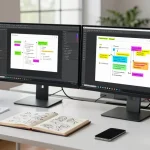
Understanding Proposal Writing and Management
Proposal writing is a critical skill for professionals across various industries, encapsulating the art of crafting persuasive documents that lead to project approvals and funding. In the complex landscape of business, the intricate art of proposal writing, coupled with robust management practices, is key to securing favorable outcomes. For those looking to improve their skills in Proposal Writing and Management, understanding the foundational elements is essential.
What is Proposal Writing?
Proposal writing is the process of developing a formal document that outlines a proposed project or solution to a problem. This document typically includes the purpose of the proposal, the anticipated outcomes, timelines, resources needed, and a detailed plan on how the objectives will be achieved. Whether for grants, contracts, or business development, effective proposal writing requires clarity, persuasion, and a thorough understanding of the audience’s needs.
The Importance of Management in Proposals
Proposal management is equally vital; it involves planning, coordinating, and overseeing the proposal process to ensure that deadlines are met and that the document adheres to the necessary guidelines and standards. Good management practices can streamline the proposal process, improve collaboration among team members, and enhance the overall quality of the proposal. It is not just about writing well but also about executing the entire process efficiently.
Common Challenges in Proposal Writing
While writing proposals can be rewarding, it comes with its own set of challenges. Some of the most common obstacles include:
- Time Constraints: Balancing proposal writing with other responsibilities can be demanding.
- Shifting Client Expectations: Clients may change their needs or criteria during the proposal stage.
- Insufficient Information: Inadequate data can lead to poorly crafted proposals.
- Team Coordination: Collaborating with multiple team members can lead to miscommunications.
- Formatting Issues: Ensuring consistency in presentation can be challenging.
Structures of Effective Proposals
Creating an effective proposal requires a clear structure that accurately conveys the intended message. A well-structured proposal lays the groundwork for a persuasive presentation.
Essential Components of a Proposal
A standard proposal generally includes the following components:
- Executive Summary: A succinct overview of the proposal’s key points.
- Background: Information on the company and the issue at hand.
- Objectives: Clearly defined goals that the proposal aims to achieve.
- Methodology: The approach and methods to be employed.
- Budget: A detailed financial outline of the project’s costs.
- Conclusion: A summary that encourages action or approval.
Formatting Tips for Clarity
Format plays a critical role in how your proposal is received. Consider the following tips for enhanced clarity:
- Use clear headings to outline sections.
- Incorporate bullet points for easy reading.
- Maintain consistent font sizes and styles.
- Utilize visuals such as graphs or charts to illustrate complex points.
- Ensure margins and spacing are uniform to maintain a professional look.
Best Practices in Proposal Management
Effective proposal management can significantly enhance the quality and responsiveness of your submissions. Here are some best practices:
- Set clear deadlines for each stage of the proposal process.
- Maintain a collaborative workspace for team contributions and feedback.
- Regularly update stakeholders on progress and changes.
- Implement a review process to ensure quality before submission.
- Archive past proposals to reference as templates for future submissions.
Techniques for Successful Proposal Writing
Mastering proposal writing involves employing strategies that resonate with your audience and clearly articulate your intentions.
Persuasive Writing Strategies
Persuasion is key in proposal writing. To enhance your persuasive writing skills, consider the following strategies:
- Know Your Audience: Tailor your message to the specific interests and needs of your audience.
- Use Clear Language: Avoid jargon and technical terms unless absolutely necessary.
- Create a Sense of Urgency: Highlight the importance of timely approval.
- Offer Solutions: Present clear solutions to the problems identified.
- Build Credibility: Include testimonials or case studies to establish trust.
Research and Tailoring Proposals
Comprehensive research is critical in proposal writing. Tailoring proposals involves aligning them with your audience’s objectives and incorporating relevant data. The steps include:
- Conducting market research to understand industry trends.
- Gathering insights on the client’s preferences and priorities.
- Utilizing data analytics tools to support your arguments.
- Incorporating visuals that resonate with the audience’s core interests.
Leveraging Feedback for Improvement
Feedback is invaluable in improving proposal quality. Engage team members and stakeholders in the review process to gather diverse perspectives and suggestions. Some effective ways to leverage feedback include:
- Encouraging constructive criticism.
- Holding review sessions with cross-functional teams.
- Utilizing feedback to identify and rectify common omissions or errors.
- Implementing structured feedback forms for clarity.
Tools and Resources for Proposal Management
In today’s digital landscape, various tools and resources can aid in proposal writing and management, facilitating a smoother workflow.
Software Solutions to Consider
Numerous software solutions cater to the needs of proposal writing and management. Some notable options include:
- Proposal Management Software: Specializes in tracking submissions and managing deadlines.
- Document Automation Tools: Streamlines the creation of standard contracts and proposals.
- Collaboration Platforms: Offers a cohesive space for team members to contribute to proposal development.
Templates and Examples
Using templates can save time and ensure you address all necessary components in your proposal. Many online resources offer customizable templates that align with industry standards. Examples of effective proposals can also serve as valuable references.
Online Communities and Workshops
Networking with professionals in your field can provide insights and resources that are invaluable. Consider joining forums or online communities focused on proposal writing. Additionally, workshops and seminars can improve your skills and keep you up-to-date with the latest trends and best practices in the industry.
Measuring the Success of Proposal Writing and Management
To quantify the effectiveness of your proposal efforts, it is essential to determine key performance indicators (KPIs) that reflect your success in proposal writing and management.
Key Performance Indicators to Track
Identifying and tracking KPIs can aid in measuring the effectiveness of your proposals. Key indicators may include:
- Approval rates of submitted proposals.
- Average time taken for proposal approvals.
- Conversion rates of proposals to contracts or projects.
- Feedback scores from stakeholders or clients.
Analyzing Proposal Outcomes
Post-submission analysis is critical to understand what worked and what didn’t. Collect feedback from clients and stakeholders to drive future improvements. Common analytical methods include:
- Comparative analysis with previous proposals.
- Identifying recurring themes in feedback for enhancement.
- Mapping approval timelines against project outcomes.
Iterating for Future Proposals
Continuous improvement is crucial for success in proposal writing. Use insights gained from previous proposals to refine your processes and approaches. This includes:
- Regularly updating templates based on successful components.
- Conducting team workshops to share lessons learned.
- Adjusting strategies based on feedback received from clients.
Frequently Asked Questions
What is the most critical part of proposal writing?
The executive summary is crucial as it provides a first impression and summarizes the main points, capturing the reader’s interest.
How can I make my proposals stand out?
Tailor your proposal to the audience, use clear and persuasive language, and include case studies or testimonials to build credibility.
What tools are best for proposal management?
Software like proposal management tools, document automation solutions, and collaboration platforms are excellent for enhancing proposal management.
How do I measure proposal success?
Track key performance indicators such as approval rates, conversion rates, and feedback to effectively measure the success of your proposals.
Can I use templates for proposals?
Yes, using templates can streamline the writing process and ensure you include all essential proposal components consistently.