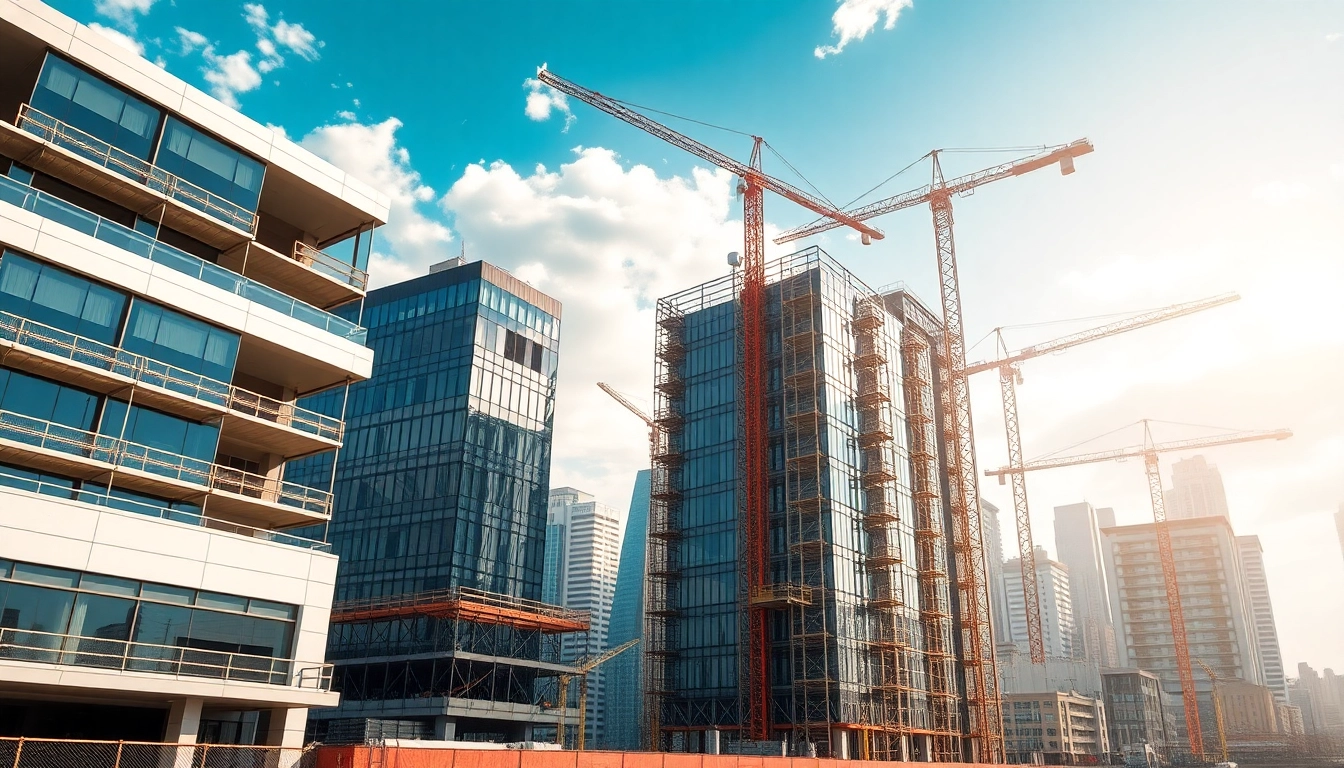
Understanding the Role of a Building Developer
Definition and Responsibilities
A building developer plays a crucial role in the property development sector, primarily focusing on the purchase, renovation, and sale of real estate. Their responsibilities span from identifying potential land or properties to acquiring permits, overseeing renovations, collaborating with contractors, and finally marketing and selling the completed projects. Each phase demands a comprehensive understanding of legalities, financing, construction techniques, and market dynamics.
Importance in Urban Development
Building developers are pivotal in shaping urban landscapes. Their projects contribute to housing availability, commercial spaces, and public infrastructure, impacting socio-economic conditions in communities. By predicting market trends and consumer needs, they can transform underutilized land into vibrant neighborhoods that cater to diverse demographics, thereby enhancing urban living standards.
Key Skills and Qualifications
To become a successful building developer, one needs a blend of education and skills, including:
- Educational Background: A degree in real estate, urban planning, business, or finance is beneficial.
- Project Management: The ability to manage timelines, budgets, and resources effectively.
- Negotiation Skills: Essential for dealing with landowners, contractors, and local authorities.
- Financial Acumen: Understanding financing options, investment risks, and return on investment (ROI).
- Market Analysis: Skills in assessing market conditions and trends is crucial for successful investments.
Steps to Become a Building Developer
Educational Background
While there is no single path to becoming a building developer, an educational background in related fields can enhance one’s prospects. A bachelor’s degree in real estate, architecture, or business is a strong foundation. Supplementing this with advanced courses in construction management, urban planning, or real estate finance can further equip aspiring developers with necessary tools.
Building Industry Experience
Getting hands-on experience in the building industry is crucial. This can be achieved through internships, entry-level positions in construction firms, or by working in real estate agencies. Such experience provides insights into the construction process, building codes, and industry standards, while offering networking opportunities that are invaluable for future endeavors.
Networking and Mentorship
Building a strong professional network is essential for success in real estate development. Joining industry organizations, attending seminars, and seeking mentorship from experienced developers can provide guidance and significant contacts. Networking can also lead to potential partnerships and investment opportunities, which are often crucial for funding projects.
Funding and Financing for Building Developers
Types of Financing Options
Developing properties requires substantial capital, and understanding financing options is crucial. Common funding sources include:
- Traditional Mortgages: Loans from banks or credit unions, usually secured against the property.
- Private Investors: Individuals or entities that invest capital in exchange for a share in profits.
- Venture Capital: Funding from investment funds that specialize in real estate.
- Government Grants: Funds provided for affordable housing projects or community development initiatives.
Preparing a Business Plan
A solid business plan outlines the project scope, financial projections, potential risks, and market analysis. This document is essential for attracting investors and securing loans, providing a roadmap that details how the project aligns with market needs and investment returns.
Dealing with Investors and Banks
When approaching banks or investors, developers must present comprehensive proposals that demonstrate the viability of the project. Clear communication regarding funding requirements, risk management strategies, and timelines plays a critical role in gaining financial support. Building strong relationships with financial institutions can also benefit developers when seeking favorable lending terms.
Challenges Faced by Building Developers
Regulatory and Zoning Issues
Navigating local regulations and zoning laws is one of the most significant challenges for developers. Each location may have specific requirements regarding land use, environmental impact, and building codes, which can affect project timelines and costs. Developers must conduct thorough research and often work with legal advisors to ensure compliance to avoid costly delays.
Market Fluctuations
The real estate market is susceptible to fluctuations, with economic downturns potentially impacting property values and demand. Developers must stay informed about market conditions and be prepared to adjust their strategies. Conducting regular market analyses and trend reviews can help anticipate changes, enabling developers to pivot effectively when needed.
Project Management Difficulties
Effective project management is critical in real estate development. Delays in construction, budget overruns, or subpar work can significantly impact timelines and profits. Implementing robust project management tools and methodologies can help address these issues by establishing clear lines of communication, tracking progress, and ensuring adherence to project goals.
Future Trends in Building Development
Sustainable Building Practices
There is a growing emphasis on sustainability within the construction industry. Developers are increasingly adopting green building practices, utilizing energy-efficient materials, and implementing designs that promote environmental conservation. This shift is not only beneficial for the planet but also appeals to consumers who prioritize eco-friendly living options.
Technology in Construction
The integration of technology in construction processes is reshaping how developers operate. Innovations such as Building Information Modeling (BIM), drones for site surveying, and virtual reality for project visualization enhance efficiency. Staying abreast of technological trends can provide developers with a competitive advantage in the marketplace.
Urban Population Growth Implications
As populations in urban areas continue to grow, there will be increasing demand for innovative housing and mixed-use developments. Developers must focus on smart growth strategies that integrate residential, commercial, and recreational spaces to meet the evolving needs of urban inhabitants. Understanding demographic trends will be vital for informed decision-making regarding future developments.
Frequently Asked Questions
What is a building developer?
A building developer is a professional who buys, improves, and sells buildings and land, overseeing construction and renovation projects within the real estate market.
What qualifications do I need to become a building developer?
While there’s no set educational path, degrees in real estate, finance, business, or urban planning are advantageous. Practical industry experience is also essential.
How can I secure financing for building projects?
Funding options include traditional mortgages, private investors, venture capital, and government grants. A well-prepared business plan is crucial for attracting financial support.
What challenges do building developers face?
Developers encounter regulatory issues, market fluctuations, and project management challenges. Strong research and effective planning can mitigate these obstacles.
What are future trends in building development?
Key trends include sustainable building practices, technology integration in construction, and a focus on meeting the demands of growing urban populations.