What is Derailment?
Definition and Overview of Derailment
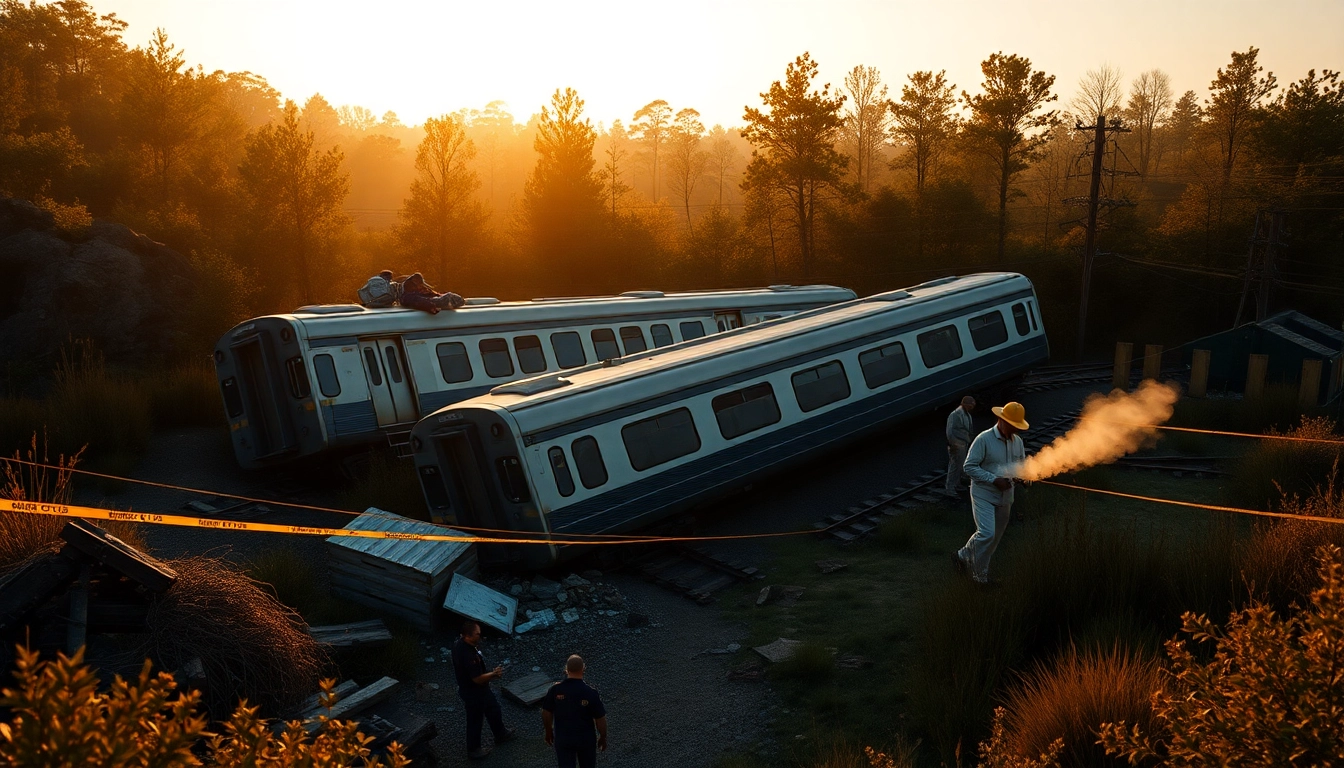
In rail transport, a Derailment occurs when a train or railway vehicle leaves its tracks, leading to various consequences, from minor disruptions to catastrophic accidents. While some incidents may involve only one vehicle or an isolated section of track, others can significantly disrupt rail transportation, impede cargo movements, and pose serious safety risks to passengers and railway workers.
The mechanisms leading to a derailment can be complex, involving numerous factors such as the condition of tracks, operational procedures, and environmental conditions. Understanding derailments is crucial for the railway industry as it strives to improve safety standards and operational efficiencies.
Common Types of Derailment
Derailments can vary considerably, and they are generally categorized into a few common types:
- Track-related Derailments: These occur due to failures or defects in the rail infrastructure, such as broken rails, misaligned tracks, or other track-related issues.
- Equipment-related Derailments: These involve failures of train components, including wheels, brakes, or other machinery that may lead to a loss of control.
- Environmental-induced Derailments: These happen due to external factors, such as severe weather conditions, flooding, or landslides, impacting the integrity of the track.
Historical Context and Significant Incidents
The history of rail transport is dotted with numerous derailments that have prompted changes in policies, technologies, and safety measures. Significant incidents include:
- The 2008 Chatsworth train collision in California, where a commuter train collided with a freight train after one ran a stop signal, resulting in 25 fatalities.
- The 2013 Lac-Mégantic railway disaster in Canada, where a runaway train carrying crude oil derailed and exploded, leading to widespread devastation.
Each of these incidents underscores the importance of rigorous safety protocols and the need for continuous improvements within the rail industry.
Causes of Derailment
Track-Related Failures and Issues
Track integrity is foundational to safe rail operations. Various issues can lead to derailments, including:
- Track Defects: These include broken rails, misaligned tracks, or compromised trackbed stability.
- Poor Maintenance: Regular inspection and maintenance are critical to early detection of potential failures. Neglecting these tasks can lead to catastrophic accidents.
- Overloaded Tracks: Excessive weight can exacerbate stress on tracks, leading to deformation and failures.
Equipment Malfunctions in Rail Transport
Train components are crucial to safe operation. Equipment failures can be categorized into:
- Locomotive Failures: Issues with driving mechanisms, such as brakes or engines, can lead to loss of control.
- Rolling Stock Issues: Problems affecting the wheels or axles can lead to a loss of stability and control, resulting in a derailment.
- Signal and Communication Failures: Malfunctions in signaling systems can lead to accidents by misdirecting train movements.
Environmental Factors Influencing Derailment
The railways are subject to various environmental conditions that can increase the risk of derailments. Some considerations include:
- Severe Weather: Rain, snow, ice, or extreme heat can affect track integrity and train performance.
- Natural Disasters: Landslides, earthquakes, and floods can disrupt track structure and safety.
- Wildlife and Vegetation: Debris from vegetation or wildlife can obstruct tracks, potentially causing derailments.
Prevention Strategies for Derailment
Maintenance and Inspection Protocols
Implementing rigorous maintenance schedules is vital for preventing derailments. Key strategies include:
- Regular Inspections: Frequent checks of track integrity, train components, and safety equipment ensure timely identification of potential risks.
- Technology Integration: Utilizing drones and other advanced technologies for inspections can enhance detection capabilities.
- Preventive Maintenance: Predictive maintenance approaches help address issues before they lead to derailments.
Technological Innovations in Rail Safety
Technological advancements play a critical role in enhancing rail safety. Innovations include:
- Positive Train Control (PTC): This technology helps prevent collisions and derailments by automatically controlling train speeds and movements in real-time.
- Monitoring Systems: Sensors that track track and train conditions can provide immediate alerts in case of anomalies.
- Advanced Braking Systems: Enhanced braking technologies improve stopping capabilities and reduce the risk of accidents.
Training and Education for Railway Workers
A well-trained workforce is essential in the prevention of derailments. Best practices involve:
- Regular Training Sessions: Continuous education on safety protocols and emergency responses is vital for all employees.
- Simulations and Drills: Practicing emergency scenarios ensures readiness for actual derailment situations.
- Encouraging a Safety Culture: Promoting a proactive approach to safety where every employee feels responsible for maintaining safety standards.
Response to Derailment Incidents
Emergency Response Procedures
Effective emergency response can significantly mitigate the impact of a derailment. Key elements include:
- Immediate Reporting: Quick communication to local authorities and emergency services is crucial for rapid response.
- Evacuation Plans: Preparedness for passenger evacuation in the event of an incident ensures safety during emergencies.
- Assessing Hazards: Quickly identifying any environmental or safety hazards resulting from the derailment aids in developing mitigation strategies.
Recovery and Cleanup Operations
Following a derailment, recovery and cleanup operations are vital for restoring service. Steps include:
- Securing the Site: Establishing a perimeter to ensure worker safety during investigation and cleanup is paramount.
- Debris Removal: Efficiently clearing wreckage is essential for returning to normal operations.
- Environmental Mitigation: Addressing any hazardous materials released during the derailment protects the surrounding ecosystem.
Legal and Regulatory Considerations
After a derailment, various legal and regulatory issues come into play. Key considerations include:
- Investigative Processes: Regulatory agencies often conduct thorough investigations to determine causative factors and assign responsibility.
- Litigation Risks: There may be legal ramifications, including lawsuits from affected parties or regulatory penalties.
- Policy Revisions: Findings from derailment investigations often lead to revised safety regulations and operational changes within the industry.
The Future of Rail Safety and Derailment Prevention
Trends in Rail Safety Standards
As the rail industry evolves, several trends are shaping the future of rail safety:
- Increased Regulation: Governments are likely to impose stricter safety regulations to enhance regulatory compliance.
- Focus on Sustainability: Innovations aimed at reducing the environmental impact of rail transport will become increasingly important.
- Data-Driven Decision Making: Utilizing data analytics for predictive maintenance and safety assessments will gain prominence.
Community Impact and Concerns
The impact of derailments on surrounding communities can be profound. Concerns often include:
- Public Safety: The safety of local residents is a primary concern during derailment incidents.
- Environmental Risks: Potential spills of hazardous materials can lead to long-term ecological consequences.
- Disruption of Local Infrastructure: Derailments can disrupt transportation routes and local business operations, negatively impacting the economy.
How Public Awareness Can Shape Policies
Public awareness plays a significant role in shaping rail safety policies. Strategies may include:
- Community Engagement: Involving the community in safety discussions fosters transparency and cooperation.
- Advocacy Campaigns: Raising awareness about the importance of safety measures can influence regulatory changes.
- Education Initiatives: Informing the public about rail safety and operational practices can enhance community trust and involvement in safety efforts.
FAQs about Derailment
1. What is a derailment?
A derailment is an incident when a train comes off its tracks, which may lead to serious consequences, including injuries, fatalities, and disruption of service.
2. What causes derailments?
Derailments can be caused by track defects, equipment malfunctions, environmental factors, and operational errors, among other issues.
3. How can derailments be prevented?
Prevention strategies include rigorous maintenance protocols, technology integration for safety, and continuous training for railway workers.
4. What should be done during a derailment?
Emergency procedures include reporting the incident, ensuring passenger and worker safety, and beginning cleanup and recovery operations promptly.
5. Are derailments common?
While some derailments are common, the majority are minor, and the railway industry continuously works to improve safety and reduce the risk of serious incidents.
Contact Information
Call Us: 1 (403) 452-4508
Email: [email protected]
Address: 3950 Fossil Creek Blvd Suite 106, Fort Worth, TX, USA 76137