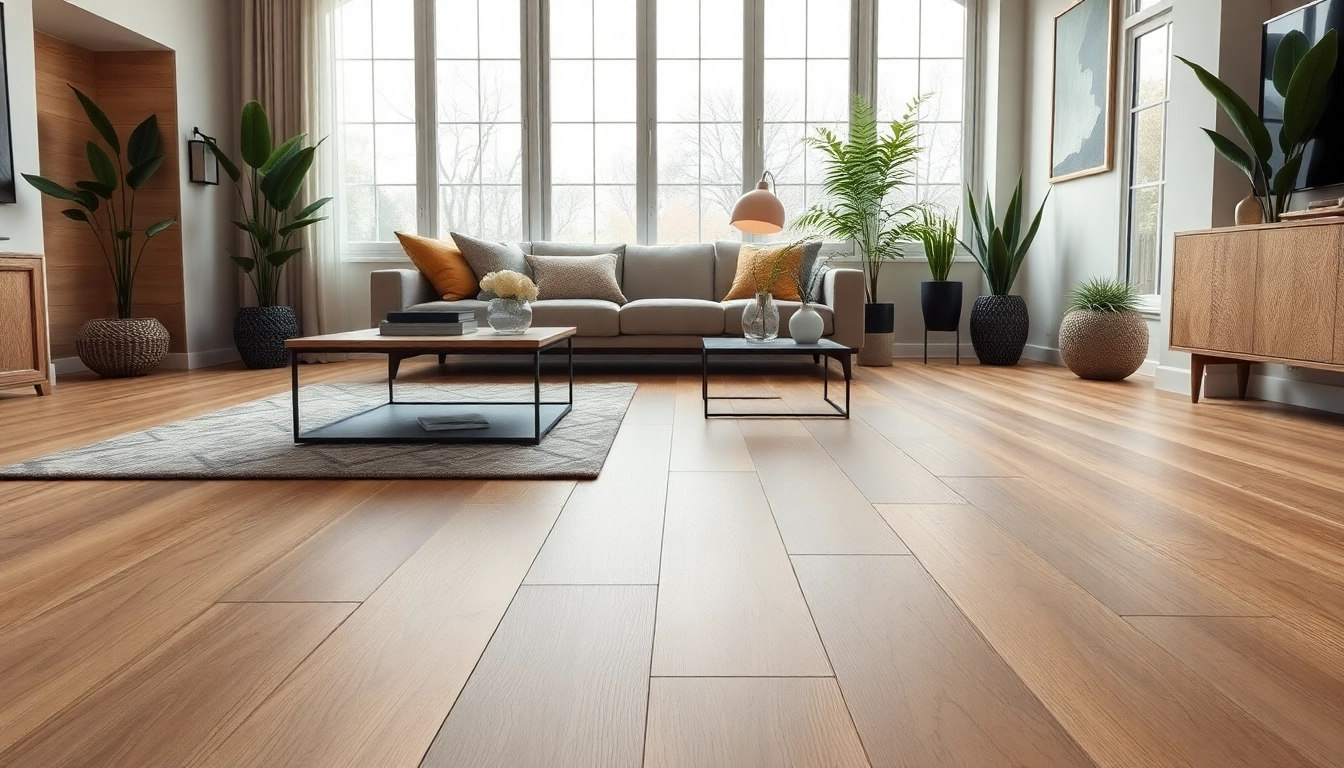
Understanding Vinyl Plank Flooring
What is Vinyl Plank Flooring?
Vinyl plank flooring is an engineered flooring product that mimics the appearance of natural hardwood floors while offering a range of practical benefits. Composed of multiple layers such as a wear layer, design layer, and backing layer, this type of flooring is designed to withstand daily wear and tear. With advanced printing and texture technologies, vinyl plank flooring can convincingly replicate the look of wood grain, tiles, or stone, making it a versatile choice for various interior designs.
Benefits of Vinyl Plank Flooring
There are numerous advantages to choosing vinyl plank flooring for your home or business. First and foremost is its affordability compared to traditional hardwood or stone flooring. Additionally, vinyl plank flooring is known for its ease of maintenance, requiring just regular cleaning to keep it looking great. The materials used also contribute to its resilience against scratches, dents, and stains. Furthermore, its comfort underfoot, coupled with a wide range of styles and colors, allows homeowners to easily match their flooring to their decor. For these reasons, many people are turning to vinyl plank flooring as their flooring of choice.
Types of Vinyl Plank Flooring
Vinyl plank flooring can be divided into several categories based on its construction and application:
- Luxury Vinyl Plank (LVP): Higher-end option providing greater realism and durability.
- Standard Vinyl Plank: Budget-friendly alternative that may sacrifice some aesthetic qualities.
- WPC Vinyl Plank: Wood-plastic composite that offers enhanced durability and comfort.
- SPC Vinyl Plank: Stone-plastic composite that provides a rigid surface, excellent for high-traffic areas.
Key Features of Vinyl Plank Flooring
Durability and Longevity
One of the standout features of vinyl plank flooring is its durability. Many products are designed to withstand heavy foot traffic, making them suitable for both residential and commercial spaces. The wear layer, usually measured in mils, protects the design layer from scratches, UV fading, and stains, ensuring your flooring maintains its appearance over time. High-quality vinyl plank flooring can last anywhere from 10 to 25 years, depending on the product and care taken.
Water Resistance and Maintenance
Vinyl plank flooring excels in moisture resistance, which is crucial for areas like kitchens, bathrooms, and basements. Most vinyl options are water-resistant, and some are entirely waterproof, allowing for spillages without the risk of damage. Maintaining vinyl plank flooring is straightforward: regular sweeping and occasional damp mopping with a mild cleaner will keep it looking pristine.
Comfort and Sound Absorption
Another advantage is the comfort vinyl plank flooring provides underfoot. Unlike harder materials such as tile or hardwood, vinyl is softer and warmer, making it more pleasant to walk on. Furthermore, vinyl can help with sound absorption, reducing noise levels in a home, particularly in multi-story buildings, which can enhance overall comfort.
Installation Process for Vinyl Plank Flooring
Preparing the Subfloor
Preparation is a critical step in the installation process. First, you should ensure that the subfloor is clean, dry, and level. Any imperfections can cause problems in the flooring’s appearance and performance. Remove any old flooring, and repair any holes or damage in the subfloor. A moisture barrier might also be necessary, especially in basements.
Tools and Materials Needed
Before beginning your installation, gather the following tools and materials:
- Vinyl planks
- Cutting knife or vinyl cutter
- Ruler or straight edge
- Measuring tape
- Chalk line
- Underlayment (if required)
- Spacers
Step-by-Step Installation Guide
Once you’ve prepared your subfloor and gathered your tools, follow these steps to install your vinyl plank flooring:
- Acclimate the Planks: Allow the planks to sit in the room for 48 hours to adjust to temperature and humidity.
- Plan Your Layout: Decide on the direction in which the planks will be laid. Usually, planks are laid parallel to the longest wall.
- Install Underlayment: If using an underlayment, roll it out across the entire subfloor.
- Begin Laying Planks: Start in the corner and work your way across the room. Use spacers to maintain expansion gaps.
- Cut to Fit: Measure the end of each row, cutting the planks as needed to fit around edges or obstacles.
- Finish with Trim: Once all planks are installed, add baseboards or trim to complete the look.
Designing with Vinyl Plank Flooring
Color and Style Considerations
When designing with vinyl plank flooring, color and style are crucial. From rustic oak to sleek gray tones, there’s a range of options to fit any design aesthetic. Light colors tend to make a space feel larger, while darker shades can add warmth. When selecting a style, consider the overall theme of your space—modern, farmhouse, or traditional—to ensure a cohesive look.
Room-Specific Suggestions
Different rooms may necessitate different considerations:
- Living Areas: Lighter tones often create an inviting atmosphere.
- Kitchens: Opt for darker, patterned floors to hide dirt and stains.
- Bathrooms: Water-resistant planks are crucial; choose materials that emphasize hygiene.
- Bedrooms: Softer textures can enhance comfort and coziness.
Combining with Other Flooring Types
Mixing and matching flooring types can create an exciting and dynamic look in your home. For example, pairing vinyl plank flooring with ceramic tile in the bathroom or expansive hardwood in the living room can provide a visual divide while maintaining a cohesive overall design. Transition strips can help create seamless transitions between flooring types.
FAQs About Vinyl Plank Flooring
How long does vinyl plank flooring last?
Typically, high-quality vinyl plank flooring can last 10-25 years with proper care and maintenance.
Is vinyl plank flooring waterproof?
Most vinyl plank flooring is water-resistant, but some products are completely waterproof, suitable for bathrooms and kitchens.
How do I clean vinyl plank flooring?
Regular sweeping or vacuuming and occasional damp mopping with a gentle cleaner are ideal for maintenance.
Can I install vinyl plank flooring over existing floors?
Yes, vinyl plank flooring can be installed over many existing floors, but it’s essential to ensure they’re smooth and clean.
Does vinyl plank flooring need an underlayment?
While not always necessary, an underlayment can enhance comfort and insulation and help with minor imperfections in the subfloor.